Earth Day at 56: Hope, Fatigue, and the Fight Ahead
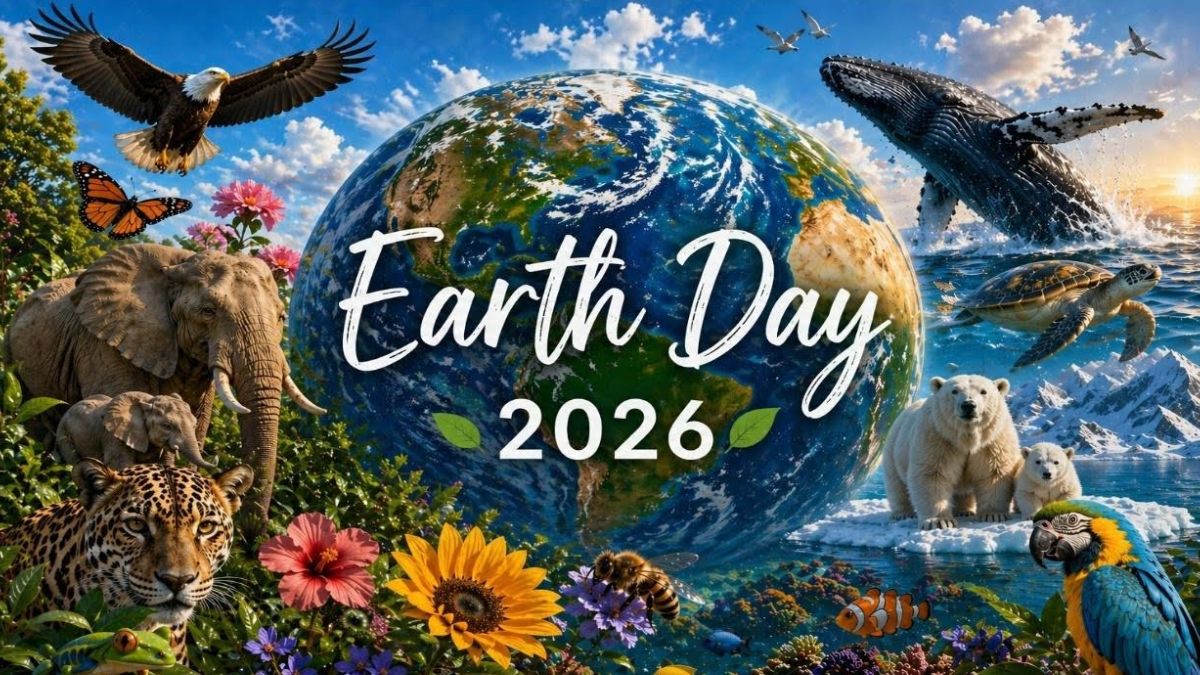
On April 22, the 56th Earth Day was celebrated under the theme “Our Power, Our Planet.” I am old enough to remember the first one. I was in 8th grade in 1970, and I greeted that day with genuine excitement and hope. About 20 million Americans poured into the streets that early Spring day, and the modern environmental movement was born.
Much has changed in 56 years, and not all of it discouraging. Earth Day’s original vision was never just a single day of awareness — it was a catalyst for something larger. By many measures, that vision took root. Renewable energy is on the rise, recycling is commonplace, our air and water are measurably cleaner than they were in 1970, and some endangered species have pulled back from the brink. The moment has become a movement.
This year’s celebration drew over 10,000 events globally, and yet something still felt diminished. The clarion call that once rattled the halls of Congress now echoes in a crowded, distracted landscape.
Part of that is the current political headwinds. The federal government rolled back over 400 environmental protections in 2025 alone and withdrew from multiple international climate treaties and accords. Advocates describe burnout and an overwhelming sense that crises are arriving faster than solutions. That fatigue is real, and it matters because sustained movements run on hope as much as passion.
Which brings us to the harder question: are we keeping pace with the crisis? The honest answer is no. Culture change and market forces move on a timeline measured in decades. Many of the environmental crises we face (e.g., wildfire season expansion, species loss, and coral bleaching) operate on a timeline measured in years. Annual awareness campaigns, symbolic gestures, and social media moments were never going to be sufficient on their own. The movement’s task now is to convert its broad cultural reach into the kind of durable, systemic political pressure that actually bends the curve in the positive direction.
So far, it hasn’t moved fast enough. But I want to leave you with a reason to keep going.
Republicans entered this Earth Day with plans to dramatically weaken the Endangered Species Act. The vote was abruptly pulled from the floor because there weren’t enough votes to pass it, including among some Republicans. That is the cultural evolution of the original Earth Day vision at work, the people holding the line.
We have lost ground. But the fight continues, and what comes next matters enormously. The power, as this year’s theme reminds us, is still ours.
Recreation Impacts on Tribal Rights in Washington State – An Update

Outdoor recreation in the U.S. generated $1.1 trillion in economic output in 2022 and added $564 billion to the nation’s GDP. It has become not just a major industry, but a recognized driver of government conservation strategies — valued for the health, cultural, and ecological benefits it delivers alongside its economic power.
But a growing body of evidence complicates that picture. Outdoor recreation carries real ecological costs: soil compaction and water pollution, vegetation loss and the spread of invasive species, and documented disruption to wildlife behavior, stress levels, and survival. The outdoors that people seek out is, in many cases, being quietly diminished by the volume of people seeking it.
The impacts extend beyond ecology. Tribes across the western U.S. have raised urgent and well-founded concerns about the erosion of their traditional rights on public lands — rights increasingly compromised by the expansion of recreational use into culturally and spiritually significant places.
From August 2024 through December 2025, CBI worked in close partnership with numerous treaty tribes in Washington and state natural resource agencies to address this challenge directly. Together, they developed a map-based analytical framework for assessing environmental and social risks from current and planned outdoor recreation on state lands with particular attention to tribal rights. The goal was practical: identify a pathway that preserves meaningful recreational access while meaningfully reducing harm.
Relying on Data Basin and EEMS modeling software, the work now expands. CBI is building on this foundation to deepen its conservation science and analytical support for the ongoing Tribal-State process, while broadening the effort to include federal agencies and additional partners. The aim is nothing less than a durable, collaborative solution to one of the most complex land-use challenges in the American West.
Global Wildfire Collective Update
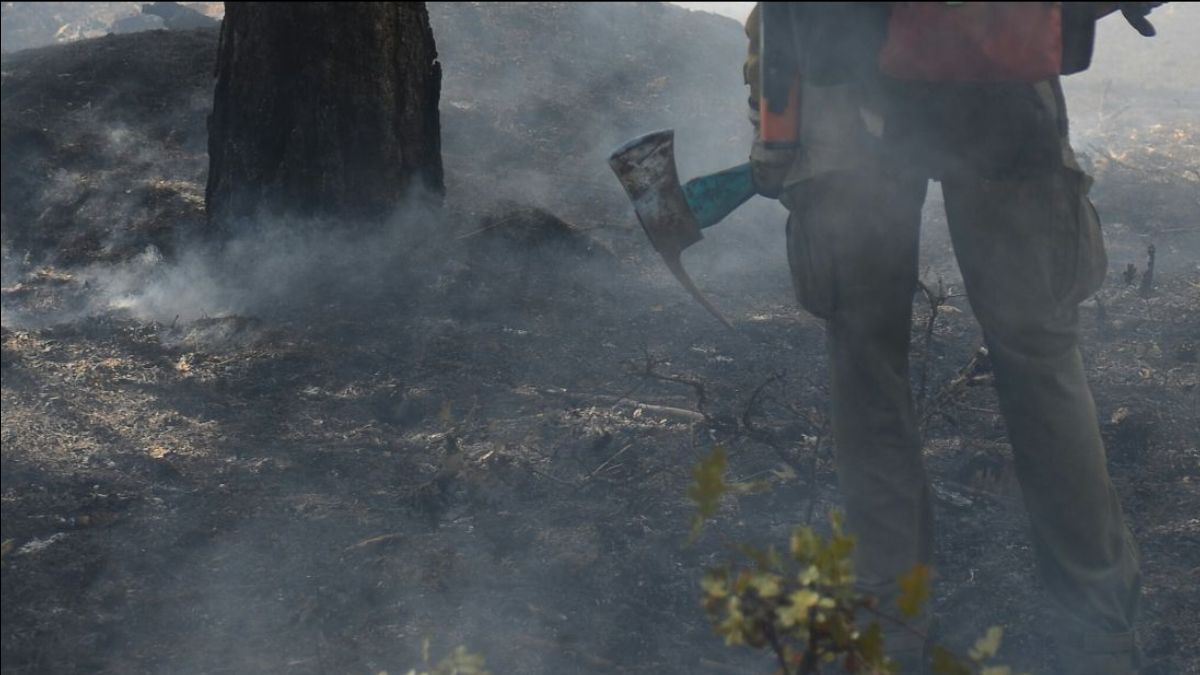
The Global Wildfire Collective has had a remarkably active few months, with major milestones across research, policy, and education.
Forest Governance Lab for Wildfire Resilience, Ecuador
In mid-April, GWC co-organized the Forest Governance Lab for Wildfire Resilience — a workshop of the Wildfire Action Accelerator — alongside the Environmental Defense Fund, Ecuador’s Ministry of Environment and Energy, and BirdLife International. This gathering brought renewed urgency to a critical moment: the Wildfire Action Accelerator Pledge had been launched at COP 30 of the United Nations Framework Convention on Climate Change in Belém, Brazil, in direct response to the global escalation of wildfires and their mounting toll on forests, communities, and the climate. Dr. Alexandra Syphard represented GWC at the event.
GWC Academy: Wildfire in Savanna Ecosystems
GWC held its fourth Academy webinar, focused on Wildfire in Savanna Ecosystems. The session featured an exceptional panel of researchers: Dr. Caroline Lehmann (Chair of Plant Ecology and Biogeography, University of Edinburgh / Royal Botanic Garden Edinburgh), Dr. Abigail Croker (Postdoctoral Research Associate, Centre for BioComplexity, High Meadows Environmental Institute), Amos Chege Muthiuru (PhD Candidate, Department of Geography, King’s College London), and Dr. Sally Archibald (Professor, School of Animal, Plant and Environmental Sciences, University of the Witwatersrand). A recording is available for those who missed it.
FireData Regional Workshop, Brasília
GWC was invited by the Amazon Cooperation Treaty Organization (ACTO) to participate in a mid-May Regional Workshop on Data and Information for Integrated Fire Management in the Amazon (FireData) in Brasília, Brazil. The workshop aims to strengthen technical exchange and regional cooperation on data systems and information platforms for Integrated Fire Management across the Amazon region. Dr. Alexandra Syphard will represent GWC at the event.
Inaugural Fire Modeling Literacy Workshop — Register Now
On June 24–25, 2026, GWC will host its inaugural Fire Modeling Literacy for Risk-Informed Decision-Making workshop — and registration is now open.
Leading researchers from the GWC community will go beyond the surface of fire modeling frameworks, revealing not just what each approach can accomplish, but where its limits lie and why those boundaries matter. Through comparative case studies, participants will come to understand a fundamental truth of fire science: there is no single “best” model — only tools matched, or mismatched, to the problem at hand.
Over two days and four hours of sessions, participants will:
- Establish a shared fire modeling vocabulary
- Gain exposure to machine learning, fire behavior, and simulation modeling frameworks
- Build foundational literacy in the modeling process
- Improve familiarity with common data sources and limitations
- Strengthen interpretation and decision framing under uncertainty
Welcome Steve Schwarzbach – CBI Welcomes Our Newest Board Member
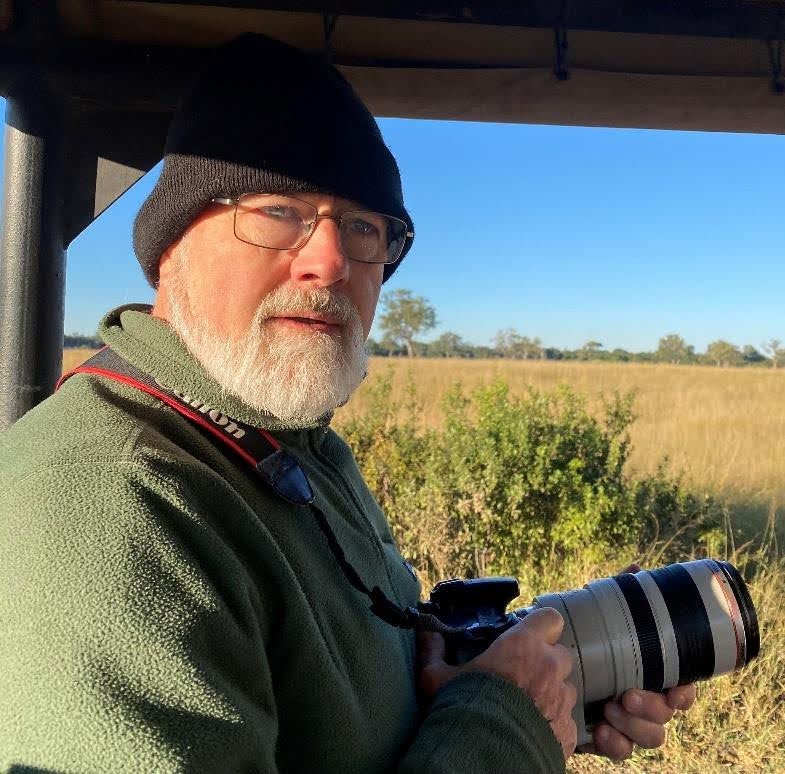
Dr. Steven E. Schwarzbach is an ecologist and former federal science executive with extensive experience in environmental research, organizational leadership, and public-sector governance. He served as Center Director of the U.S. Geological Survey’s Western Ecological Research Center, where he led multidisciplinary teams addressing complex natural resource challenges across California and the western United States.
Prior to joining the USGS, Dr. Schwarzbach spent more than a decade with the U.S. Fish and Wildlife Service, advancing research on environmental contaminants and their effects on wildlife and ecosystems, and later leading scientific programs that informed regulatory and management decisions.
Since retiring from federal service, Dr. Schwarzbach has remained active in regional conservation and resource management, including service on the El Dorado County Fish and Wildlife Commission and in leadership with the El Dorado Resource Conservation District. He brings to boards a combination of scientific rigor, strategic leadership, and a long-standing commitment to public service. We are thrilled he has chosen to join us!