Another Record-Breaking Summer: What Can We Do to Slow the Impacts from Climate Change?

It is hard to avoid experiencing, or at least hearing about, the devastating, record-breaking heat waves that have gripped the Northern Hemisphere this summer, punctuated by severe storms and massive wildfires. Europe’s historic heat waves have already claimed thousands of lives, with the majority of victims in France, Germany, and Belgium. Wildfires burning across France, Spain, and Portugal are breaking modern records, and fires are now spreading into Italy, Greece, and Turkey.
Closer to home, eastern Oregon and Washington are facing their own crisis, with millions of acres burning and severe losses to homes and businesses. Spokane has been hit hardest: as of August 4th, the Spokane Complex Fire has destroyed more than 700 structures, forced the evacuation of roughly 65,000 residents, and remains at 0% containment. Smoke alerts now blanket nearly all of both states, reaching the major populations in Portland and Seattle.
Fire is a natural part of the Pacific Northwest’s ecology, but its frequency and severity have gotten measurably worse. Area burned has more than doubled over the past 25 years compared to the 1955–1999 baseline, and the link to climate change isn’t speculative — the mechanism is direct and well understood. Warming temperatures shrink snowpack and push snowmelt earlier in the spring, leaving forests and soils dry for longer stretches of the year. Drier fuels burn hotter and spread faster. Fire season now starts earlier and ends later, widening the window in which fires can ignite and spread. And nighttime heat events, which were once rare, are becoming more common: cooler nights used to slow fires down and give firefighters a chance to gain the upper hand, but warmer nights now let fires burn hot around the clock.
So, what do we do? Most climate reports understandably focus on the necessary global actions — transitioning away from fossil fuels toward renewable energy as quickly as possible. But even assuming the world can sustain meaningful progress despite the dramatic policy reversal underway in the United States, the benefits of that transition would only be felt on a timescale of several decades, if not centuries.
Is there anything that can buy us time while those larger-scale changes take hold? Given the sheer scale of the climate problem, most scientists and policy advocates have understandably focused on the big fix. But there’s a complementary set of actions that could improve local and regional conditions on a timescale of years to decades, not generations. Living systems cool the planet in ways that conventional carbon accounting largely ignores. Maintaining and restoring the integrity of natural ecosystems delivers climate benefits that are more immediate, more local, and often just as consequential.
What’s needed now is decisive policy action: to halt further ecosystem degradation, and to create real incentives for local communities to restore what’s already been degraded and protect the lands that still maintain their ecological integrity. Ecosystem restoration is where local self-interest and global necessity converge. It is a place where immediate, tangible climate benefits for communities can buy humanity the time it needs for larger-scale greenhouse gas reductions to take full effect.
An Ecoregional Conservation Assessment for the Klamath-Siskiyou Ecoregion
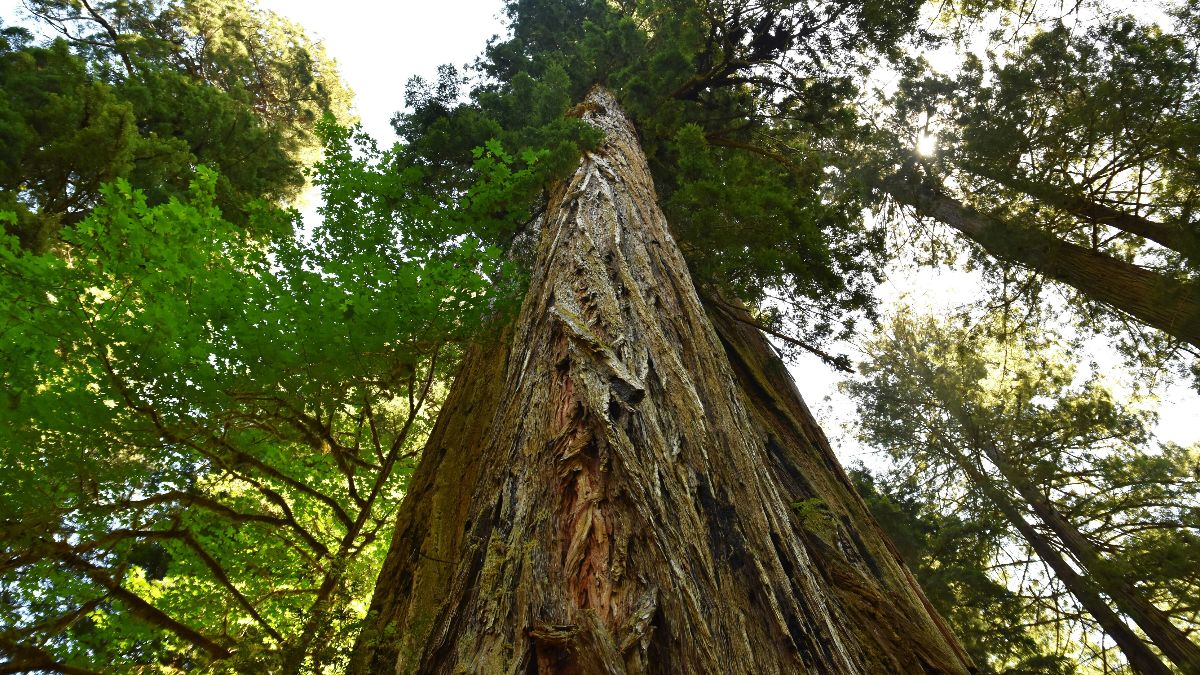
The Klamath-Siskiyou ecoregion of southwestern Oregon and northwestern California is one of the most botanically diverse temperate coniferous forest regions in the world, recognized as a Center for Plant Diversity by the World Wildlife Fund and IUCN. Its uniqueness stems largely from geologic age and stability: the region escaped Pleistocene glaciation, allowing it to serve as a refugium where ancient plant lineages persisted and diversified over time. This history is compounded by an unusually complex and varied geology with serpentine, peridotite, granite, and metamorphic substrates all in close proximity creating a mosaic of soil chemistries and microclimates found almost nowhere else.
That combination of rugged terrain, ice-age stability, and geologic diversity has produced outstanding biological richness. The region is a recognized center of floristic diversity with high rates of narrow species endemism, supporting a continental maximum of conifer species — over 30, including seven endemics — alongside exceptional mollusk, butterfly, bee, and amphibian richness. Its species-rich herpetofauna and remaining old-growth stands make it one of the last strongholds for old-growth-dependent wildlife such as Pacific fisher and Northern Spotted Owl.
Large public land ownership and relatively intact landscapes have also allowed the region’s mammal fauna to hold on and, in some cases, recover: 69 mammal species call the Klamath-Siskiyou home, including a rebounding elk population and a growing gray wolf population. Below the surface, its rivers are just as remarkable: nine native salmonid and trout species make the Klamath-Siskiyou one of the most significant and most imperiled salmonid strongholds in the West.
Given all this, it’s no surprise the region has drawn sustained conservation attention. In fact, a comprehensive ecoregional conservation assessment of the Klamath-Siskiyou was one of CBI’s very first projects, published in 1999. An updated assessment, led by CBI Associate Dr. Dominick DellaSala, was recently published in the journal Diversity, with a sharpened focus on the compounding threats of climate change and its associated disturbances, including wildfire. Like its 1999 predecessor, the new study calls for expanded protections both to safeguard the region’s extraordinary biota and to preserve it as a refuge from the more severe effects of a changing climate.
Blue Mountains and East Cascade Conservation Assessments
Similar to the Klamath-Siskiyou assessment and as part of the North America Forest Initiative, CBI is now beginning two new ecoregional assessments for the Blue Mountains and East Cascades in Oregon.
Blue Mountains
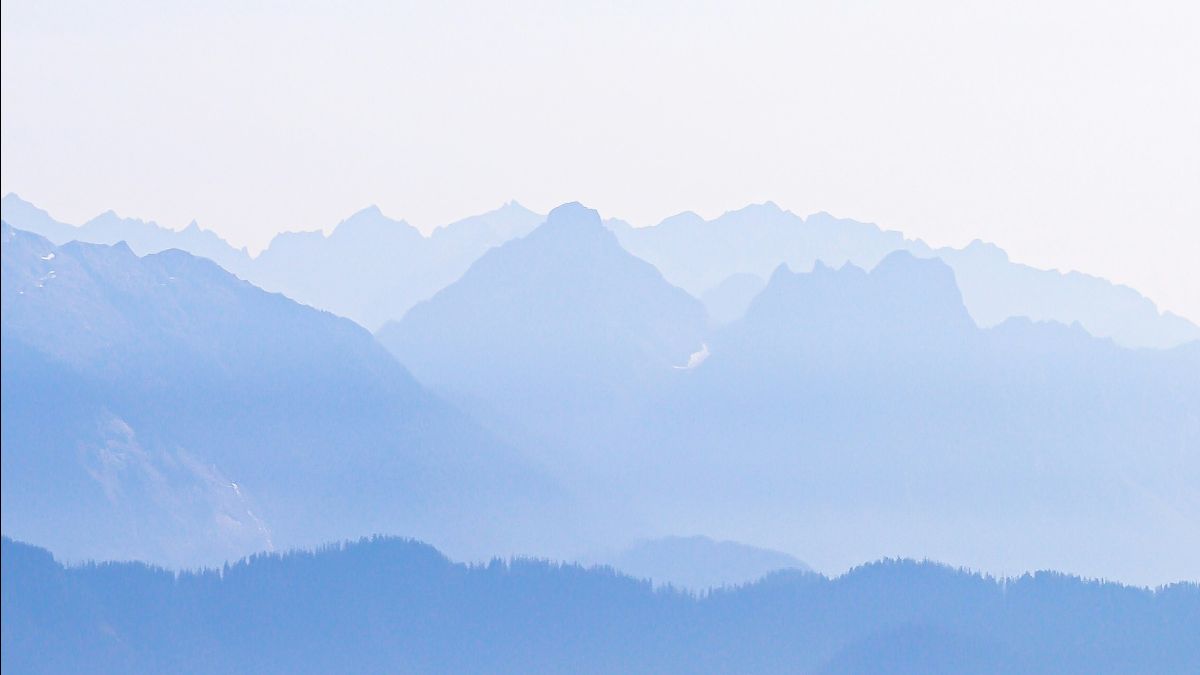
The Blue Mountains, which is one of the largest ecoregions in the state, stretches across the northeastern part of the state, encompassing the Wallowa, Elkhorn, Strawberry, and Ochoco mountain ranges alongside Hells Canyon and the Columbia Basin ecoregion on its southern edge. The ecoregion is geologically remarkable, with rocks in its western portion dating back over 300 million years and Cenozoic deposits at the John Day Fossil Beds preserving an exceptional plant and vertebrate fossil record.
Habitats range from desert-like shrublands and bluebunch wheatgrass grasslands to ponderosa pine forests and alpine highlands, and the region harbors some of North America’s largest remaining old-growth forest stands. Ecologically, its value lies in some of the state’s largest intact native grasslands and fire-adapted ponderosa pine woodlands that depend on frequent, low-severity burns to maintain the mosaic habitat structure that supports species like white-headed woodpeckers and flammulated owls. The region supports a rich wildlife assemblage with a mix of iconic large mammals (elk, mule deer, bighorn sheep, mountain goat, pronghorn and American black bear), notable birds, and returning predators (gray wolf and wolverine). Chinook salmon, steelhead, redband trout, bull trout, and Pacific lamprey are found in the region’s river systems.
Conservation concerns center on a legacy of roads and fragmentation from decades of resource extraction and recently released draft plan by the U.S. Forest Service to triple the commercial timber output, eliminate old-growth protections, and open hundreds of thousands of acres of roadless areas to logging.
East Cascades Ecoregion
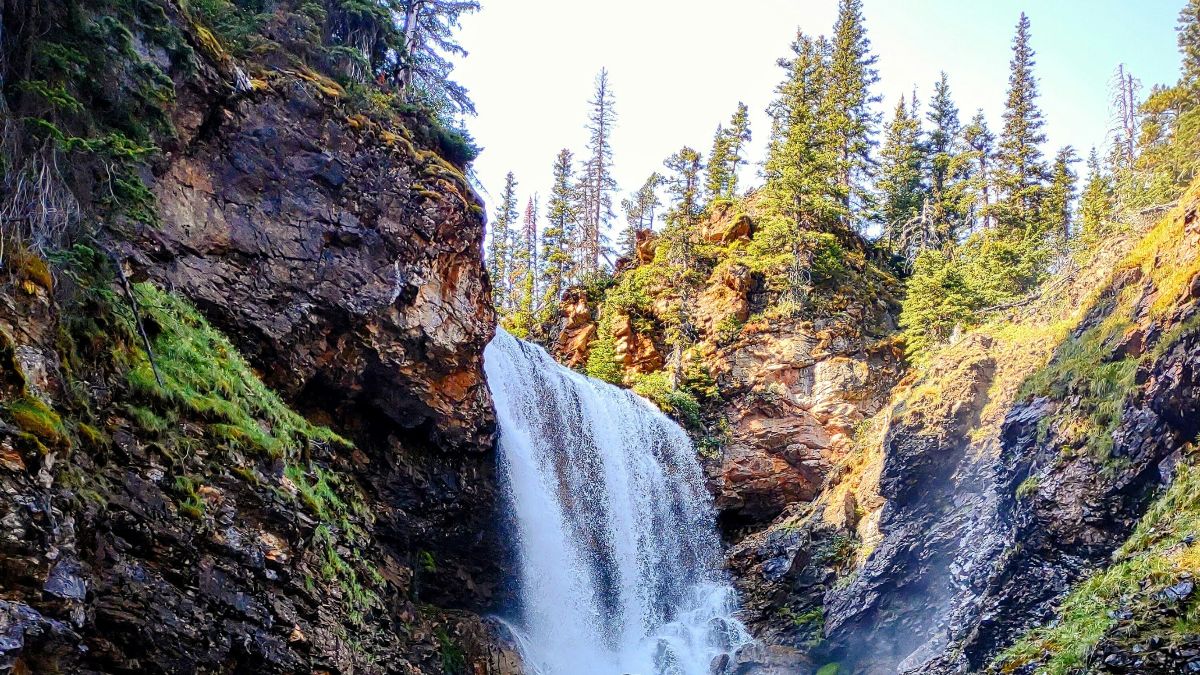
Running the full north-south length of Oregon along the drier, rain-shadowed east side of the Cascade Range, this ecoregion transitions from cool, moist forest bordering the West Cascades to dry high desert at its eastern edge. Its volcanic history is written into the landscape through buttes, lava flows, craters, and lava caves, along with deep ash deposits from historical eruptions. Ecologically, its standout features include massive old-growth ponderosa pine stands and its exceptional habitat changes over short distances resulting in rapid shifts in species assemblages (beta diversity). Despite an overall drier climate with fewer streams than the West Cascades, the region’s abundant lakes, reservoirs, and marshes provide outstanding habitat for waterbirds, amphibians, fish, and aquatic invertebrates. The southern portion of the ecoregion (draining toward the Klamath River) intersects one of the most significant wetland complexes in the West though a high percentage of the Klamath Basin’s historic wetlands have already been converted.
Together, these two ecoregions bracket a broad ecological gradient from the Blue Mountains’ fire-dependent montane forests and grasslands to the East Cascades’ volcanic, water-rich transitional zone making them complementary priorities for connectivity planning. Work is underway and expected to be completed by the end of the year.