Dr. Paul R. Ehrlich: A Tribute
A message from our Executive Director, Dr. James Strittholt.
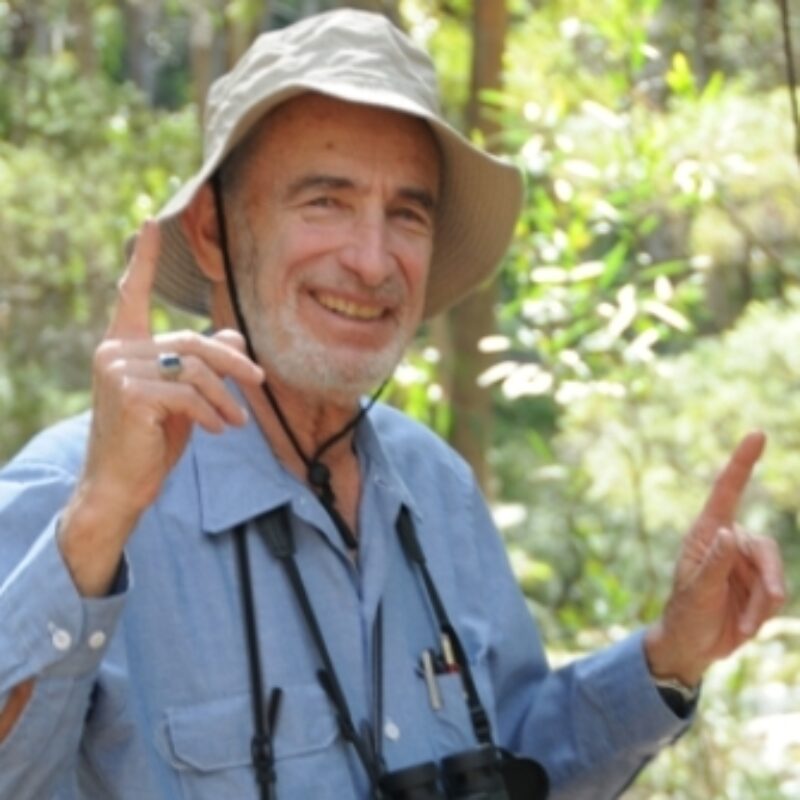
My introduction to Paul Ehrlich came through an unlikely venue — the Tonight Show Starring Johnny Carson in the early 1970s when I was in high school. Along with Carl Sagan, Ehrlich was a regular guest, and together these two giants made science feel urgent, accessible, and exciting. Sagan’s cosmos was captivating, but it was Ehrlich’s passion for biology that truly connected. As a young want-to-be biologist, I was hooked.
Sagan left us in 1996. Last month, on March 13th, Paul Ehrlich followed, passing away at 93. He lived a remarkably full life authoring 50 books spanning topics from butterfly identification to ecological sustainability, and sparking one of the most important and contentious environmental conversations of the 20th century with his 1968 book The Population Bomb, co-authored with his wife Anne.
In the late 1970s, Ehrlich’s influence on my education became even more direct. My college textbook for Ecosystem Ecology was Ecoscience: Population, Resources, Environment (1977), co-authored by the Ehrlichs and John Holdren. All 1,051 dense, substantive pages of it. Decades later, it still sits on my bookshelf and remains a foundational resource for understanding the physical and natural world and humanity’s path toward genuine sustainability.
If you want to hear Ehrlich at his most candid and unfiltered, I encourage you to seek out one of his final podcast interviews; for example, the interview he gave to Population Balance in 2022. He doesn’t hold back. And given where the world stands today, his words feel even more relevant than when he spoke them.
Some Good News for Endangered Species, but…
On Monday, March 30, 2026, a federal court in the Northern District of California delivered a significant victory for wildlife protection. The ruling, in a case brought by the Center for Biological Diversity, Sierra Club, and WildEarth Guardians (represented by Earthjustice) struck down regulations that had gutted the Endangered Species Act. Those regulations originated during the first Trump Administration and were only partially addressed by inadequate Biden-era rules. The ESA has enjoyed over 80 percent public approval for decades.
The court was unambiguous: federal agencies must use the best available science when assessing harm to species, cannot ignore incremental damage to critical habitat, and must take every measure to reduce harm to imperiled species.
The administration’s response was swift and extraordinary. The very next day, it convened the Endangered Species Committee (informally known as the “God Squad”) and used it to exempt Gulf of Mexico offshore oil and gas drilling from ESA protections, citing the ongoing conflict with Iran as a threat to domestic energy supplies. The God Squad, comprised of the Secretaries of Agriculture, Interior, and Army, the Chair of the Council of Economic Advisors, and the administrators of the EPA and NOAA, was established in 1978 precisely for situations where no alternative could deliver equivalent economic benefit, or where the national interest demanded an exemption. In 53 years, the panel has granted only two exemptions — and only one was ever upheld, for a dam project on Wyoming’s Platte River that threatened the whooping crane.
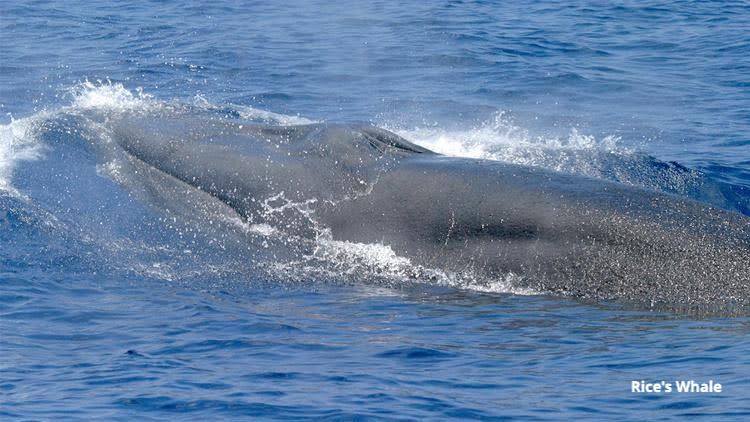
Numerous marine species in the Gulf are now at increased risk. For example, Rice’s Whale, which was listed as endangered in 2019, has only 50 individuals remaining — its entire known range overlapping directly with Gulf drilling operations.
The Gulf’s track record with offshore drilling should give everyone pause. In 2010, BP’s Deepwater Horizon blowout killed 11 workers and released 134 million gallons of oil into the Gulf, killing thousands of marine mammals, sea turtles, and birds and contaminating 1,300 miles of shoreline. The disaster forced the closure of over a third of federal waters to fishing and cost the tourism and fishing industries billions of dollars. Earlier this month, a new spill spread oil across 373 miles of coastline.
Nonetheless, in mid-March the Trump administration approved BP’s new $5 billion ultra-deepwater drilling project in the Gulf of Mexico.
What could possibly go wrong?
Bats, Bugs, and Plants: CBI Partners with Bat Conservation International on a New Decision-Support Tool
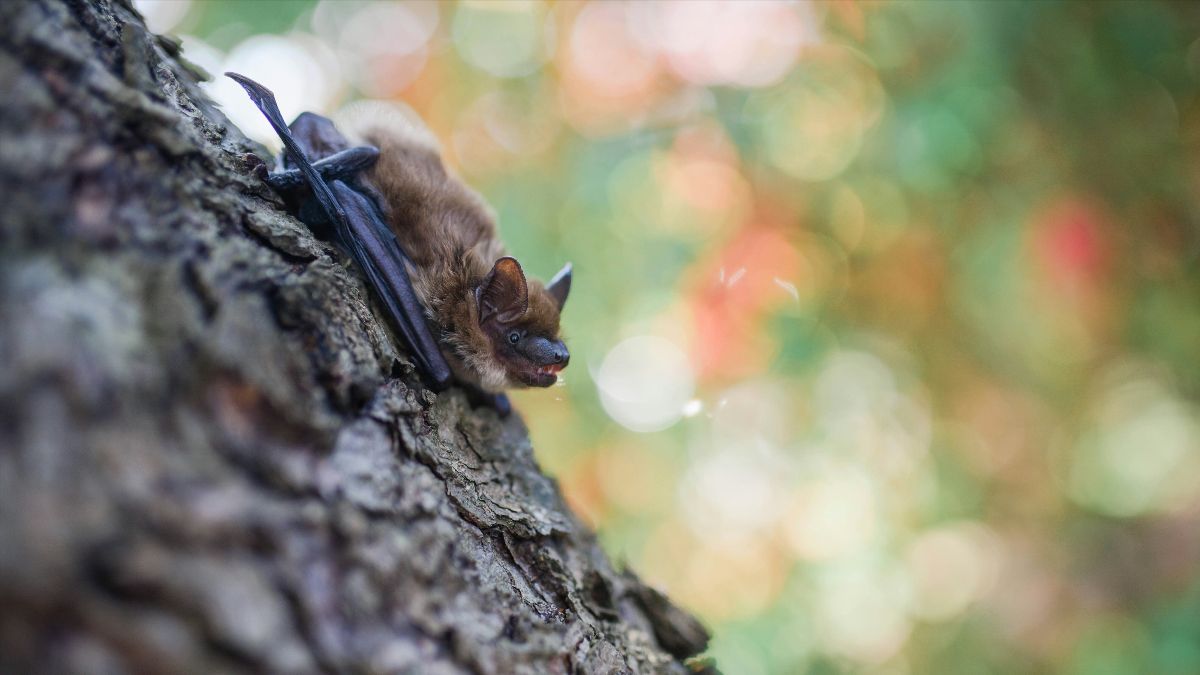
We’re excited to announce a new collaboration between CBI and Bat Conservation International (BCI) to develop a national “bat gardening” tool. Led by CBI’s Ecologist Dr. Chris Cosma, the project will help users identify the most effective native plants for supporting bats in their region, following the logic that the right plants support the right insects, and the right insects support healthy bat communities. It’s a simple idea, made actionable through some genuinely complex science.
Under the hood, the tool will be built on a comprehensive, harmonized dataset linking bat species to their arthropod prey and those arthropods back to their native plant associations. Spatial modeling, phenology data, and phylogenetic relationships will be used to fill gaps in the observational record and build ecoregion-specific trophic networks, ultimately identifying keystone native plants that best support bat food webs in each part of the country.
The final product will be accessible to conservation practitioners, land managers, and the general public alike, with the goal of making it easy for anyone to take meaningful action for one of North America’s most undervalued groups of wildlife. We’re thrilled to be working with the BCI team on this one, stay tuned for updates as the project gets underway!
New Publication by CBI’s Dr. Alexandra Syphard and Heather Rustigian-Rosmos
Where will California’s plants be able to survive as the climate changes — and what does that mean for the protected areas we rely on to conserve them? A new study co-authored by CBI’s Dr. Alexandra Syphard and Heather Rustigian-Romsos, published in PLOS ONE, tackles this question for the Golden Gate Biosphere Network, a high-biodiversity mosaic of habitats stretching along the central to northern California coast.
Using carefully constructed ensemble species distribution models, the team projected how suitable habitat for six dominant plant species might shift by late century. Their findings are a reminder that climate change doesn’t produce uniform outcomes: habitat may expand for some species while contracting for others, projected shifts don’t always move upslope or northward as commonly assumed, and soil conditions can be just as important as climate in determining where plants persist.
The paper also offers practical guidance for conservation managers working within fixed reserve boundaries — underscoring the value of identifying climate refugia and the importance of planning across scales, since conditions inside a protected area may not reflect what’s happening across a species’ broader range.
International Workshop of the Wildfire Action Accelerator
Forest Governance Lab for Wildfire Resilience
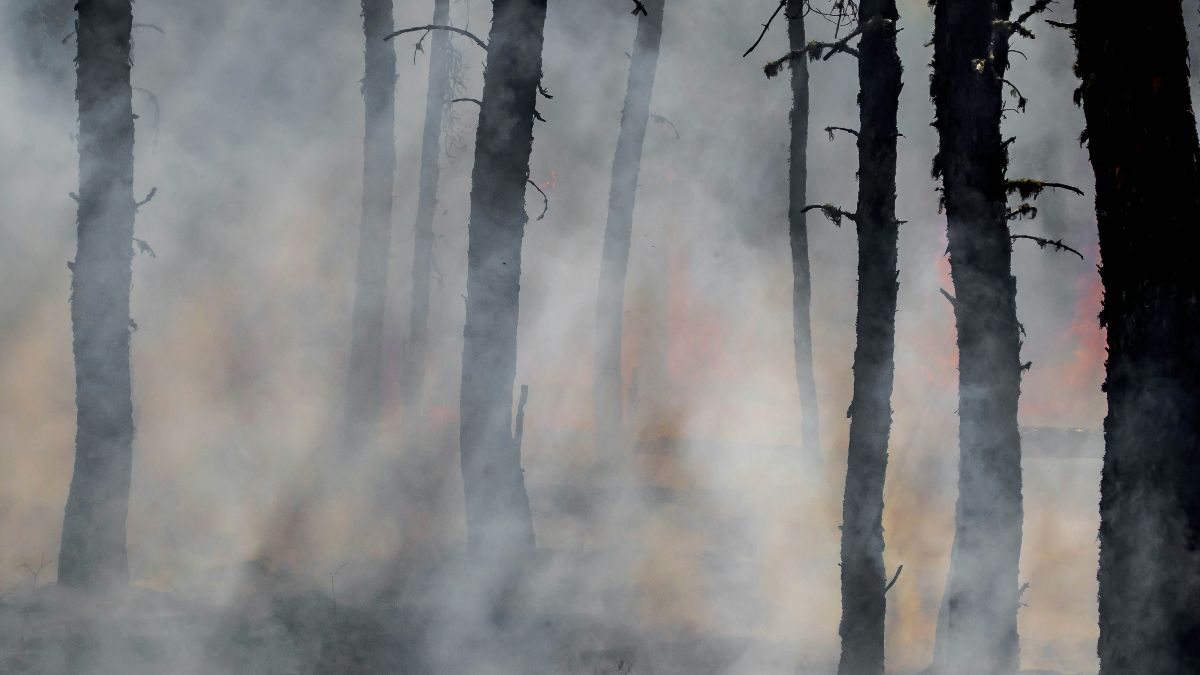
In light of the global escalation of wildfires and their growing impact on forests, communities, and the climate, the Wildfire Action Accelerator Pledge was launched during COP 30 of the United Nations Framework Convention on Climate Change in Belém, Brazil. This international commitment aims to strengthen fire governance in tropical regions through preventive approaches.
The Wildfire Action Accelerator Pledge is structured around four strategic pillars: i) the recognition and integration of traditional knowledge and the leadership of Indigenous Peoples and Local Communities; ii) the incorporation of Integrated Fire Management into climate and forest policies; iii) the mobilization of sustainable financing for prevention and resilience; and iv) the strengthening of South–South and international cooperation.
Within this framework, Environmental Defense Fund (EDF), in coordination with the Ministry of Environment and Energy of Ecuador and with the support of our partners BirdLife International and the Global Wildfire Collective, is pleased to announce its upcoming workshop: Wildfire Action Accelerator: Forest Governance Laboratory for Wildfire Resilience, which will take place from April 14 to 16, 2026, at the Hotel y Centro de Convenciones San José de Puembo, Quito, Ecuador.
This high-level technical and policy meeting will bring together government representatives, technical experts, and strategic stakeholders from the Amazon region to strengthen regional coordination and consolidate a platform for cooperation among initiatives, countries, and strategic partners on Integrated Fire Management.
THIS EVENT IS BY INVITATION ONLY
IF YOU ARE INTERESTED IN ATTENDING, PLEASE EMAIL
INFO@GLOBALWILDFIRECOLLECTIVE.ORG