Tomorrow is Giving Tuesday, and your gift matters now more than ever

Giving Tuesday is here — and your support today will power the conservation science our world urgently needs.
With your support, CBI is driving impact on multiple fronts:
- Reversing pollinator decline by matching native pollinators with regionally appropriate food plants, and working with scientific and management teams to develop, implement, and track recovery efforts.
- Recovery of endangered species such as the Pacific fisher and Stephens’ kangaroo rat. Working with teams of scientists and managers to develop recovery plans, implement them, and monitor their success.
- Protection of forests such as California’s giant sequoias. Working with scientists and land managers to safeguard the world’s largest trees from growing threats, particularly recent catastrophic wildfires.
And behind all of this is a critical foundation: open, accessible, science-based data and information.
Earlier this year, our volunteers rescued thousands of essential spatial datasets so they would not be lost to the public. Now they need to be processed and shared — and your Giving Tuesday donation ensures that these data remain open-access and actionable for researchers, land managers, and communities everywhere.
If you’re able, please make a Giving Tuesday donation today. The first $8,000 received will be matched 1:1 by an anonymous donor. Your generosity directly fuels the tools, data, and science that drive conservation forward.
2025 State of the Climate: A Planet on the Brink

The 2025 report warns that climate change is no longer a future threat—it’s a present crisis. Global temperatures, greenhouse gas concentrations, ice loss, ocean heat, and extreme weather events are all at record highs, while forests, coral reefs, and wildlife face unprecedented pressure. Human activities—fossil fuel use, deforestation, overconsumption, and inequitable resource use—are driving ecological overshoot, worsening social and environmental risks. The report highlights that only rapid, transformative action across energy, food, and conservation systems, alongside social and political shifts, can prevent catastrophic outcomes. Climate change is also a justice issue: vulnerable communities bear the greatest burden, despite contributing least to the crisis. The window for meaningful action is closing, but coordinated global effort, systemic change, and social tipping points offer a path to a sustainable, equitable future.
Modeling Fire: Comparing Frameworks, Scales, and Solutions
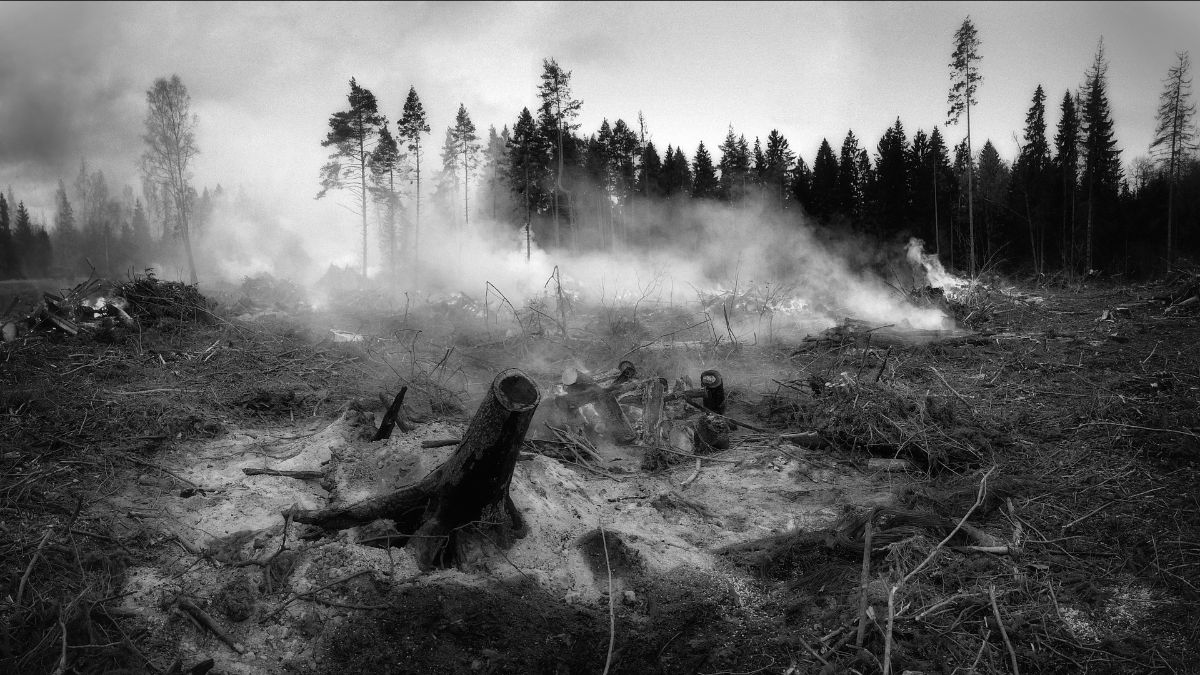
As wildfires grow in size and complexity, the tools we use to study them must keep pace. From predicting fire behavior in at-risk communities to projecting forest changes over the next century, fire science relies on specialized computational models tailored to different questions, scales, and users.
Tomorrow, December 2nd, five leading researchers will showcase how their modeling approaches address these challenges—what each model can accomplish, where it falls short, and why understanding those limits is critical. Through comparative case studies, this workshop will highlight a key insight: there’s no single “best” model—only the right tool for the question at hand.
Featured speakers
- Dr. Michael Gollner, UC Berkeley – Simulating fire spread in the wildland–urban interface
- Dr. Robert Scheller, NC State University – Integrating social dynamics and climate change in LANDIS-II
- Dr. Melissa Lucash, University of Oregon – Modeling climate-driven shifts in boreal forest structure
- Dr. Trent Penman, University of Melbourne – FLARE Wildfire Research
- Dr. Alexandra D. Syphard, Conservation Biology Institute & Global Wildfire Collective – Applying machine learning to map fire occurrence
Whether you’re a researcher, practitioner, or policymaker, this session offers a rare look at how model choice shapes our understanding of fire’s past, present, and future.
New Article written by GWC Charter Member, Dr. Susan Cutter
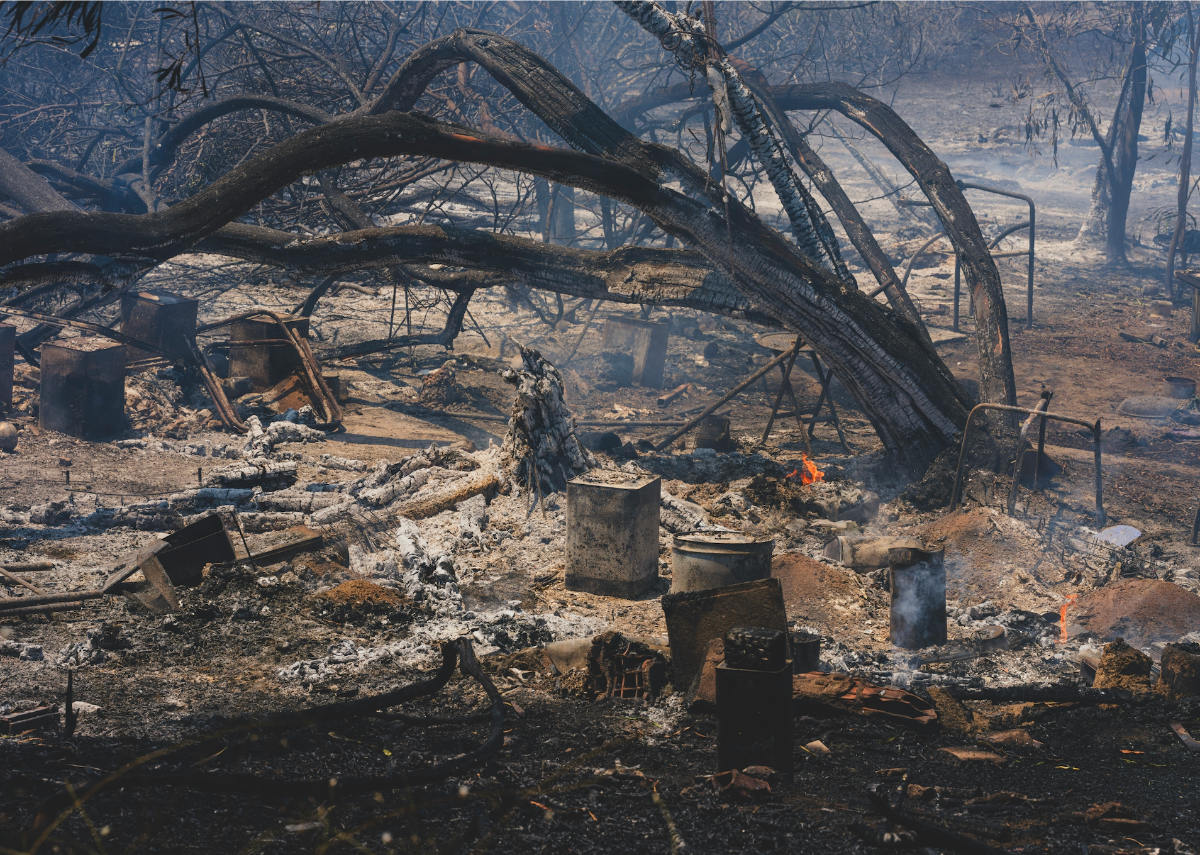
In a compelling new analysis published in The Conversation, disaster resilience expert and Global Wildfire Collective Charter Member, Susan Cutter, of the University of South Carolina makes a powerful case for restoring FEMA’s independence. Originally established in 1979 as an independent federal agency designed to work across government to support state and local governments in times of crisis, FEMA lost its autonomy after September 11, 2001, when it was absorbed into the Department of Homeland Security. Since then, the agency has faced persistent complaints about delays caused by layers of bureaucracy and red tape, leaders with little experience in emergency response, and policy whiplash. The consequences were devastating during Hurricane Katrina, when FEMA’s slow deployment and lack of coordination led Congress to declare the response a failure.
As climate change drives an unprecedented surge in extreme weather events—from catastrophic floods and wildfires to intensifying hurricanes—the need for a nimble, effective federal disaster response has never been more urgent. Restoring FEMA as an independent, Cabinet-level agency would enable faster deployment of federal resources, streamline assistance to disaster survivors, and improve long-term recovery efforts. With communities across America facing increasingly frequent and severe climate disasters, bureaucratic inefficiency isn’t just frustrating—it’s deadly. Rather than dismantling FEMA or further constraining its capabilities, Cutter argues that we must return the agency to its original vision: an independent force capable of mobilizing the full power of the federal government when disaster strikes and states are overwhelmed.